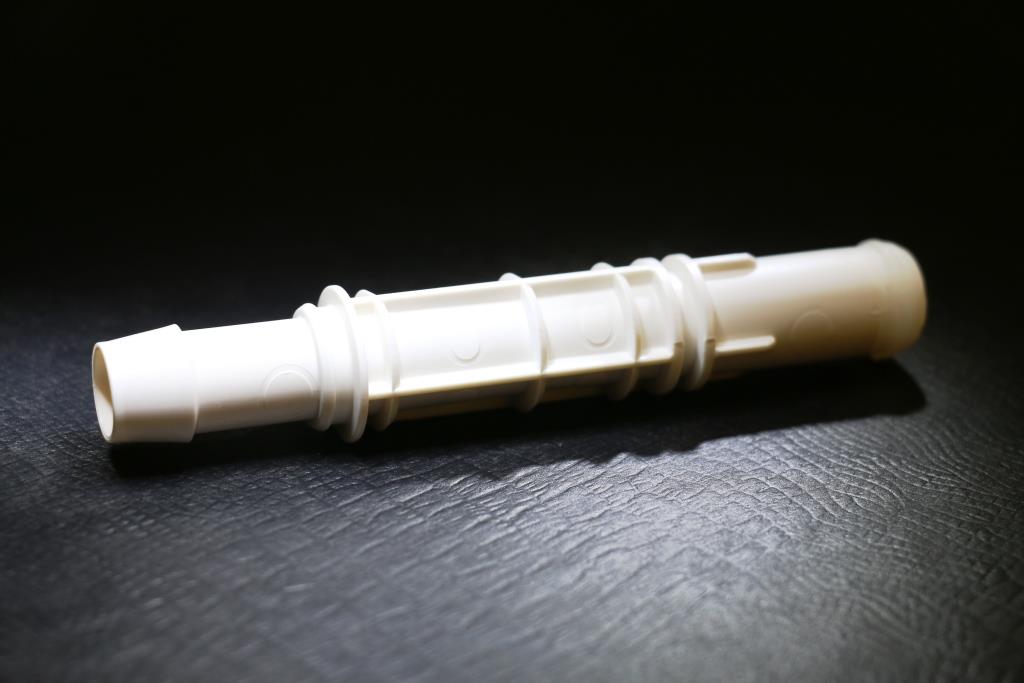
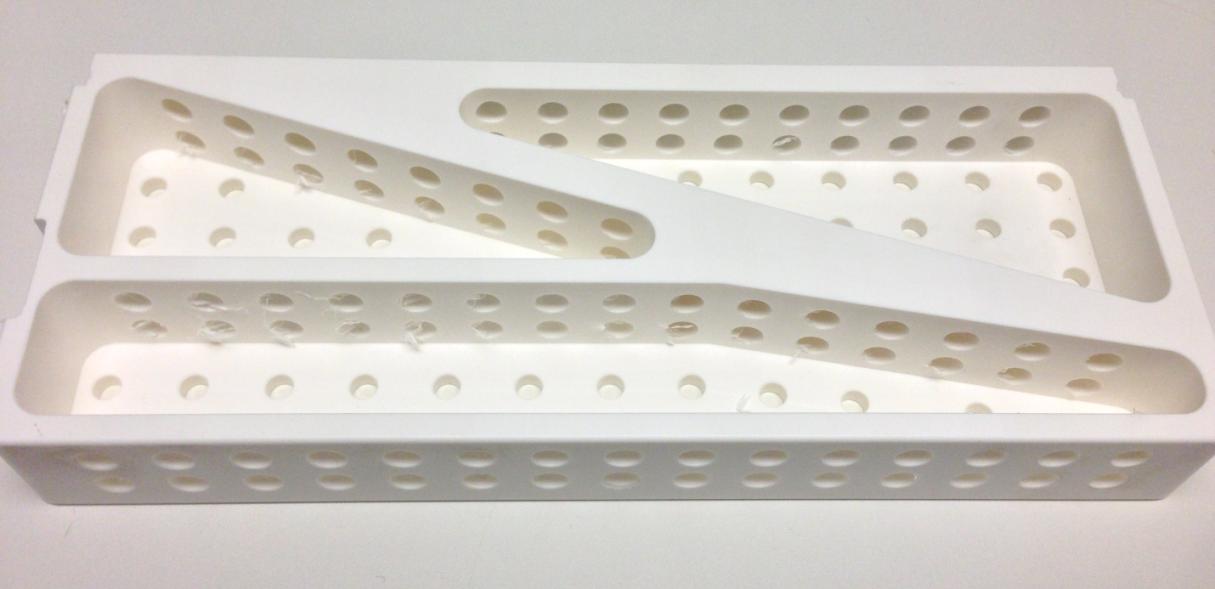
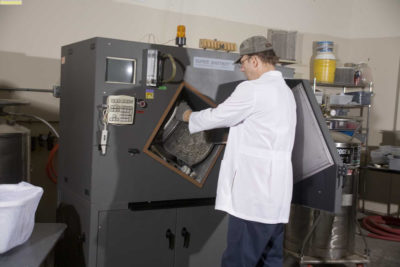
The best deburring tool for plastic parts isn't a blade, bit, trimmer, cutter or rotary tool. For plastic parts deburring, use Nitrofreeze cryogenic deburring.
Crosshole deburring with Nitrofreeze® cryogenic technology removes burrs from cross-drilled holes. Unlike hand deburring, this is an automatic process that provides consistent, repeatable, and reliable results. It also has advantages…
Medical deburring with Nitrofreeze® cryogenic technology safely and cleanly removes burrs from the plastic and rubber parts used with today’s medical devices and equipment.
Cryogenic deburring for nylon parts removes burrs that are left behind by machining operations such as turning, drilling, and milling. Learn more about nylon deburring from Nitrofreeze.
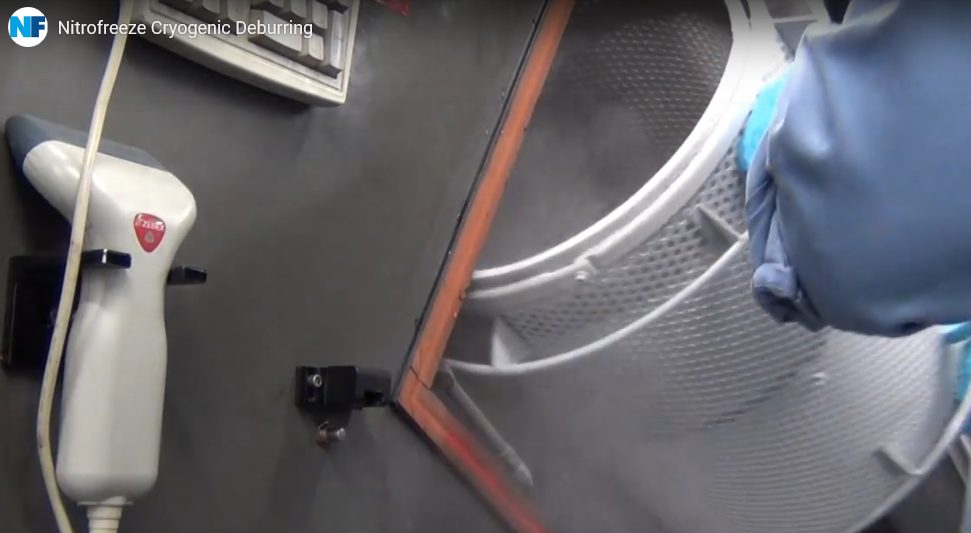
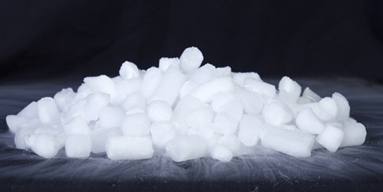
Cryogenic deburring for plastic parts uses tumbling, freezing, and a cryogenic-grade polycarbonate media to remove burrs left by machining operations. This batch process provides a cost-effective alternative to hand trimming…
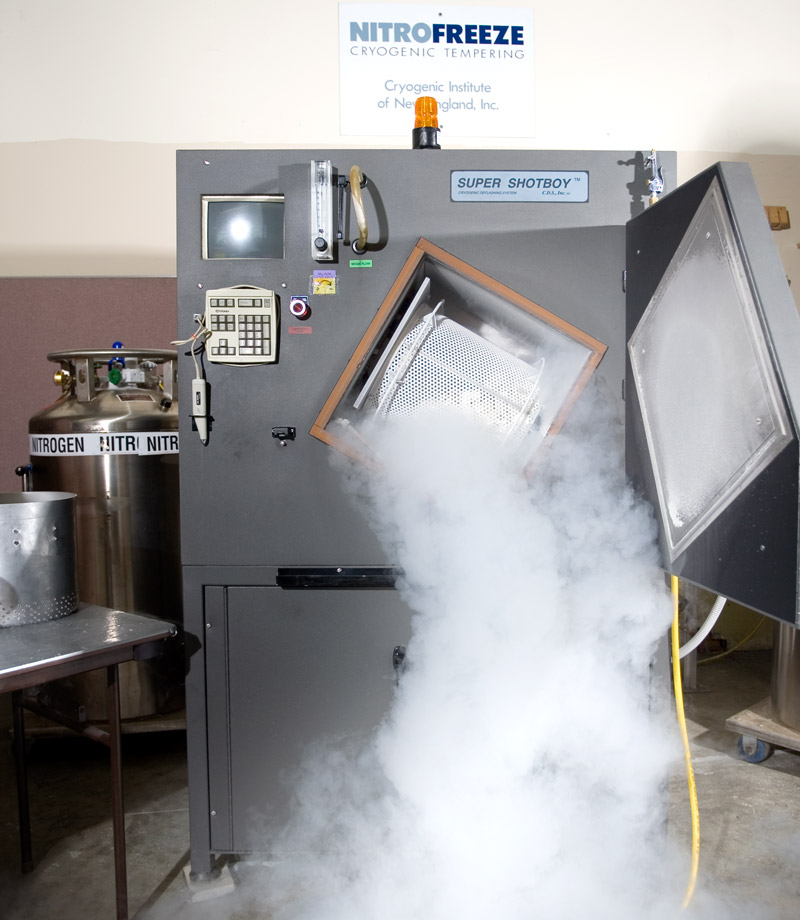
The cryogenic deburring process uses very low temperatures and polycarbonate media to remove burrs from machined parts. This proven deburring method is especially effective at removing machined burrs from blind…
Dry ice blasting for parts finishing is a non-abrasive process that removes flash and burrs from individual molded or machined parts. Learn about its advantages, and when to use it…
Cryogenic deburring and cryogenic deflashing are versatile processes that improve the surface quality of plastic or rubber parts that have been machined or molded. This article explains how Nitrofreeze optimizes…
The polymer polyetheretherketone, more commonly known as PEEK, is becoming increasingly popular within the medical device industry and, in particular, the implantable arena.