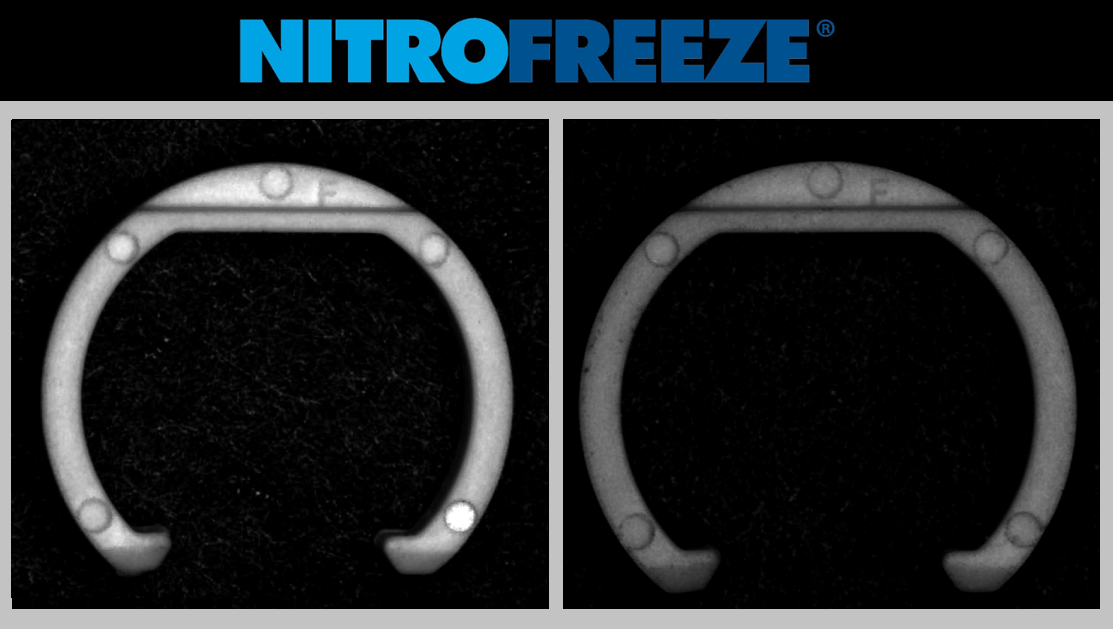
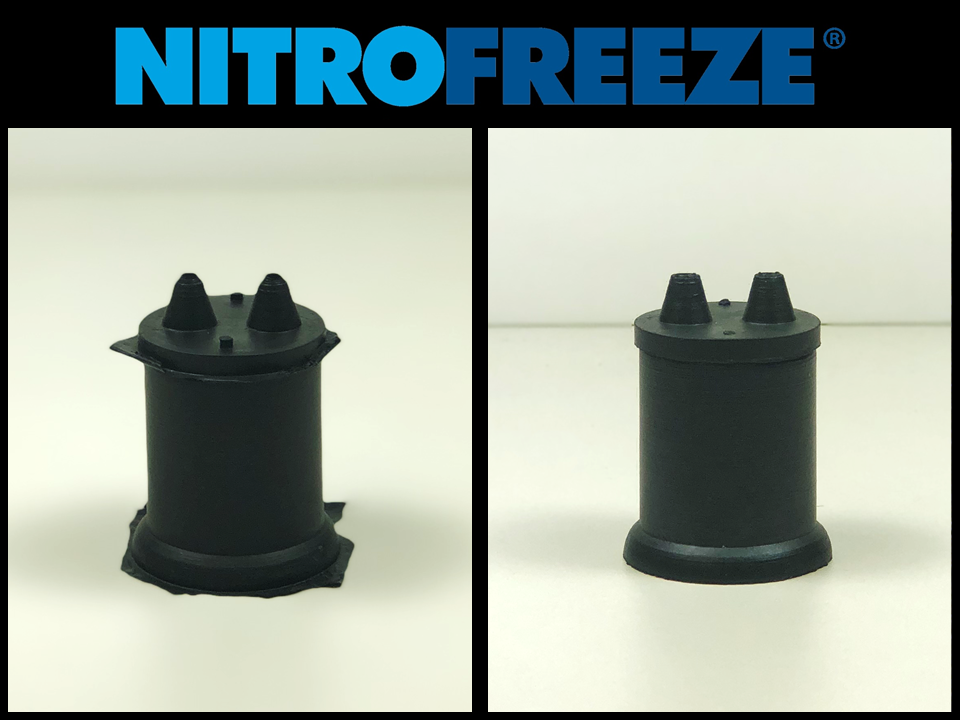
Nitrofreeze® provides deflashing services for EMI parts including shielding gaskets and O-rings. These environmental seals and EMI shields are made of electrically conductive silicones, elastomers that are filled with metal…
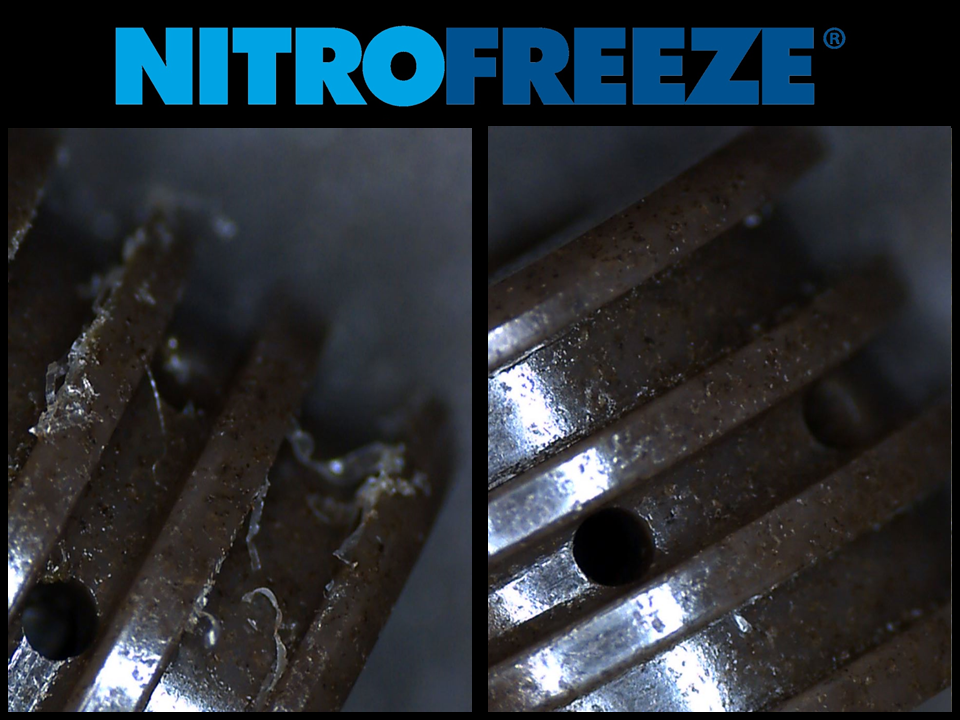
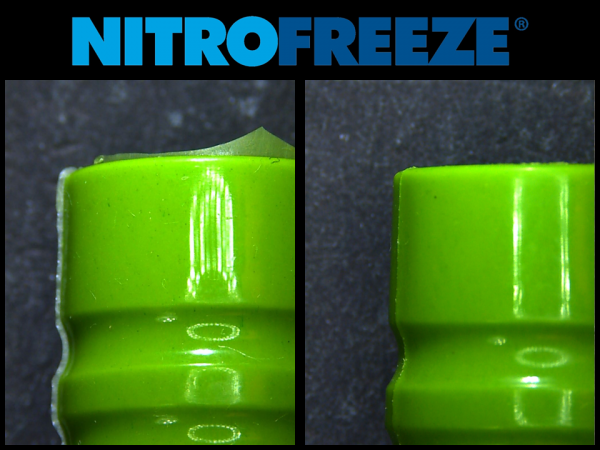
The Deflashing Challenge Injection molding flash, or flashing, is excess material that is forced out of a mold cavity at the parting line or ejector pin locations. This surface defect…
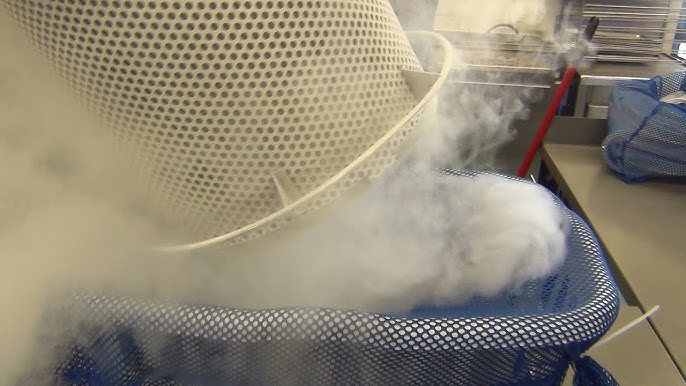
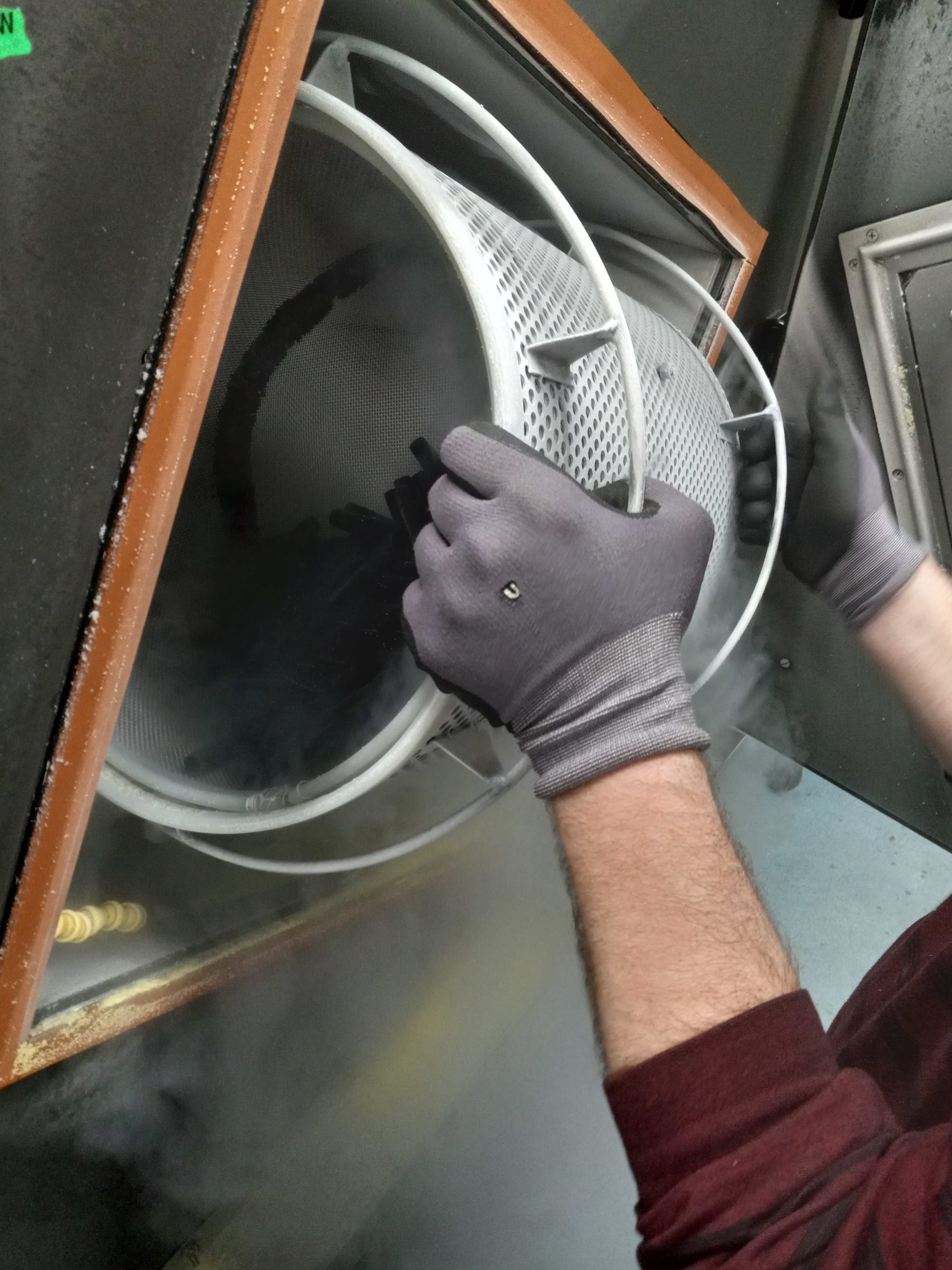
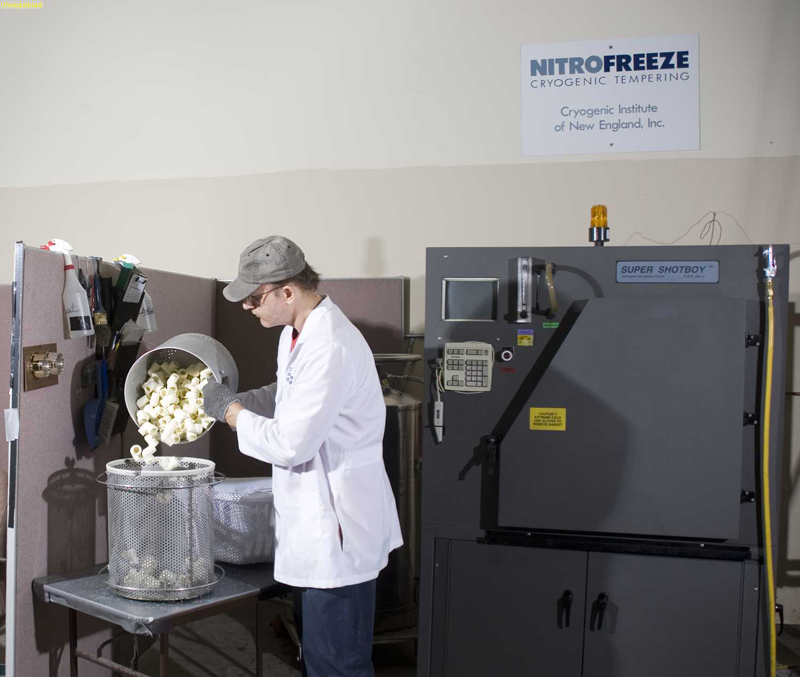
The Cryogenic Deflashing Process Cryogenic Deflashing is a process designed to remove molding flash created during the molding process. Molding flash can be found on molded parts along the parting…
Batch Deflashing to Remove Mold Flashing We often hear from molders and OEMs that they have mold flashing after their injection molded plastic and rubber parts are manufactured. There are…
https://youtu.be/HqmA5RPJMow Are you sick and tired of paying for quality issues caused by hand deflashing? We hear it all the time. You have a section in your manufacturing operation with…
What’s the difference between cryogenic deflashing vs. cryogenic deburring? They’re both secondary processes that remove surface defects without changing critical part dimensions or surface finish. They both subject parts to…
The Cryogenic Institute of New England is pleased to announce that Tri-Mack Plastics has awarded us its 2021 Supplier Excellence Award for our Nitrofreeze® cryogenic solutions. This is the first…
Medical injection molding can produce complex and highly-precise components with part-to-part integrity across high production volumes. Whether the material is plastic, silicone, or another polymer or elastomer, medical injection molders…
Rubber deflashing is the process of removing excess material called flash, or flashing, from the surfaces of molded rubber parts. The causes of flash are numerous and include parting line…
Medical silicones can be molded into parts such as distal handles for surgical instruments and dental tools. There are many types of silicone rubber, but medical grade silicones need to…