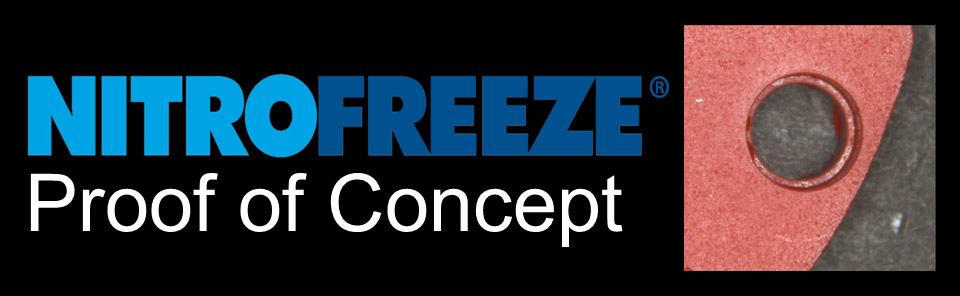
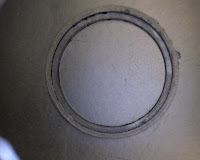
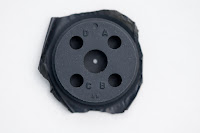
Nitrofreeze® Proof of Concept Case Study- Deflashing Polyurethane Our Cryogenic Deflashing and Deburring process adds value while reducing costs to customers by eliminating the need for hand trimming. Highlighted below is an…
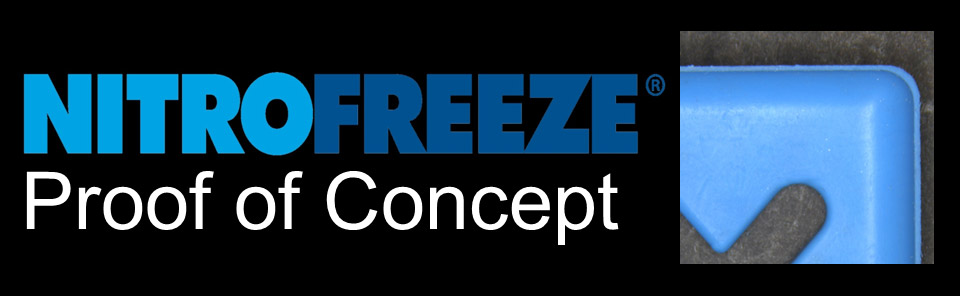
Nitrofreeze® Proof of Concept Case Study- Deflashing Silicone Our Cryogenic Deflashing and Deburring process adds value while reducing costs to customers by eliminating the need for hand trimming. Highlighted below is…
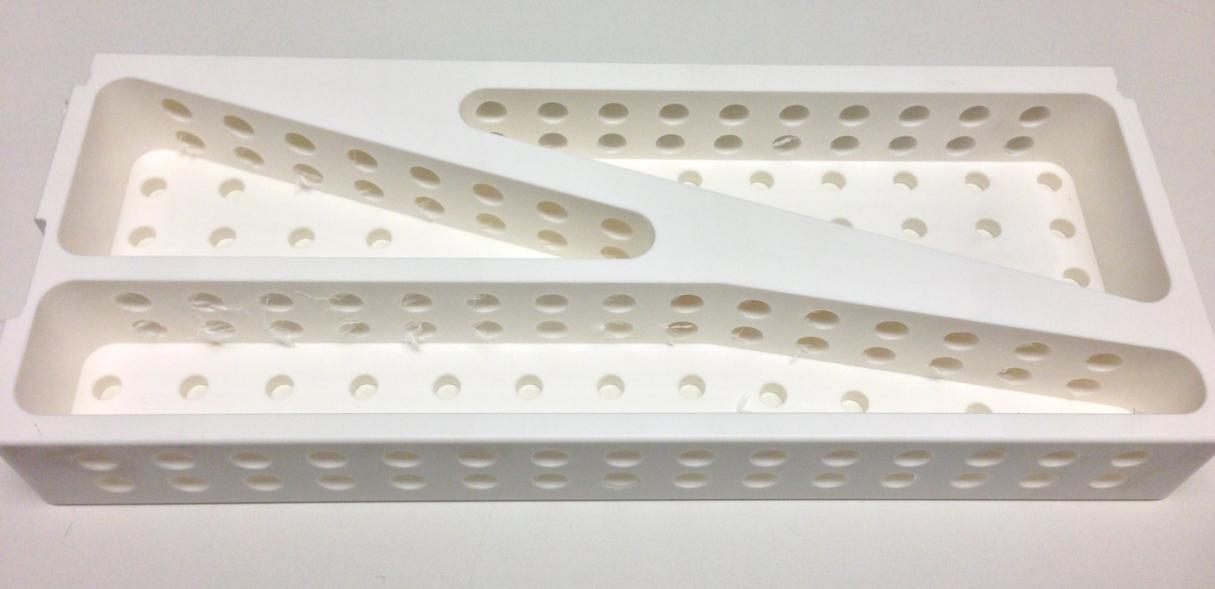
Nitrofreeze Cryogenic Solutions provides services for deburring polypropylene medical parts. Polypropylene is an exceptionally hard plastic with a high tolerance to heat. Due to these…
Last week Nitrofreeze brought their dry ice blasting equipment, technicians, and accessories to Cranston, Rhode Island during the 4th of July shutdown, to come to the aid of a company…
Nitrofreeze provides its proprietary cryogenic deflashing service to customers across the United States. Our new facility located in Worcester, Massachusetts has boosted capacity so that we are capable of deflashing…
Cryogenic deflashing has existed for several decades to serve the rubber and silicone molding industries. For several decades this process has helped remove residual flash left over by the molding…
Cross holes can be an issue for many machinists working with plastic materials. As a hole is machined into another hole, burrs will pop up once the tool is removed.…
Every rubber molder knows that as mold tooling wears, mold flash can become an issue. As more parts are produced these wear issues become more apparent. The next thing you know…
A few weeks before Christmas, we completed a job for a Worcester-based company using our cryogenic material recovery service. Our customer manufactures and sells safety devices with a very special…
Since 2002, Nitrofreeze has provided cryogenic deflashing and cryogenic deburring services. We provide deflashing and deburring solutions for manufacturers of plastic, rubber and silicone parts. In recent times, we…