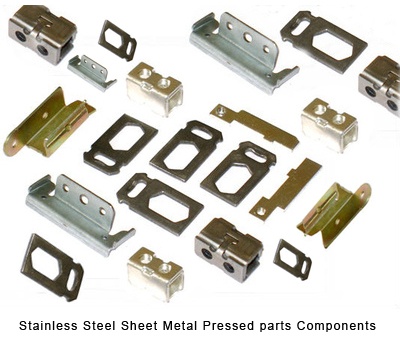
Deflashing Pressed Metal Parts Pressed Metal Introduction Pressed metal refers to a metalworking process where a flat sheet of metal, typically steel or aluminum, is stamped or pressed into…
Automotive Industry Injection Molding Injection molding is a widely used manufacturing process in the automotive industry, where high precision and repeatability are critical for producing complex, high-quality parts. Injection molding…
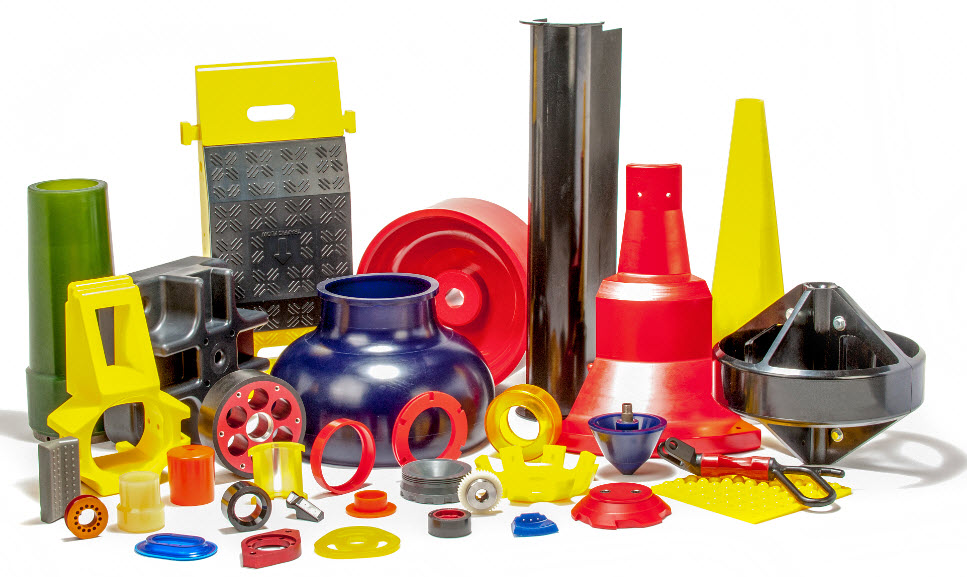
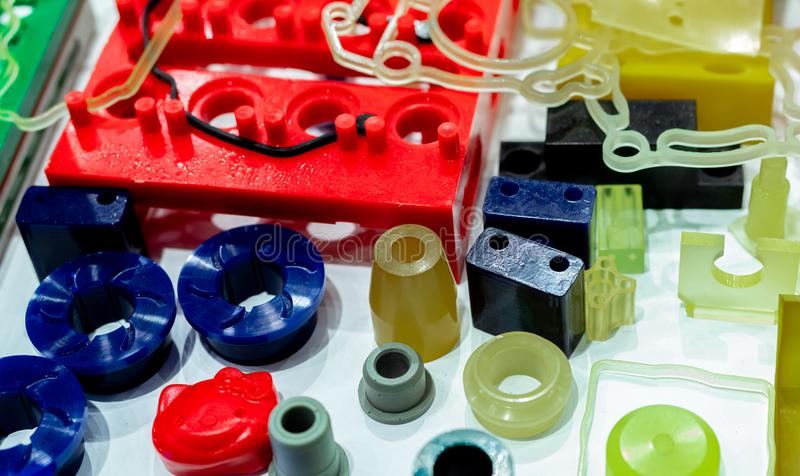
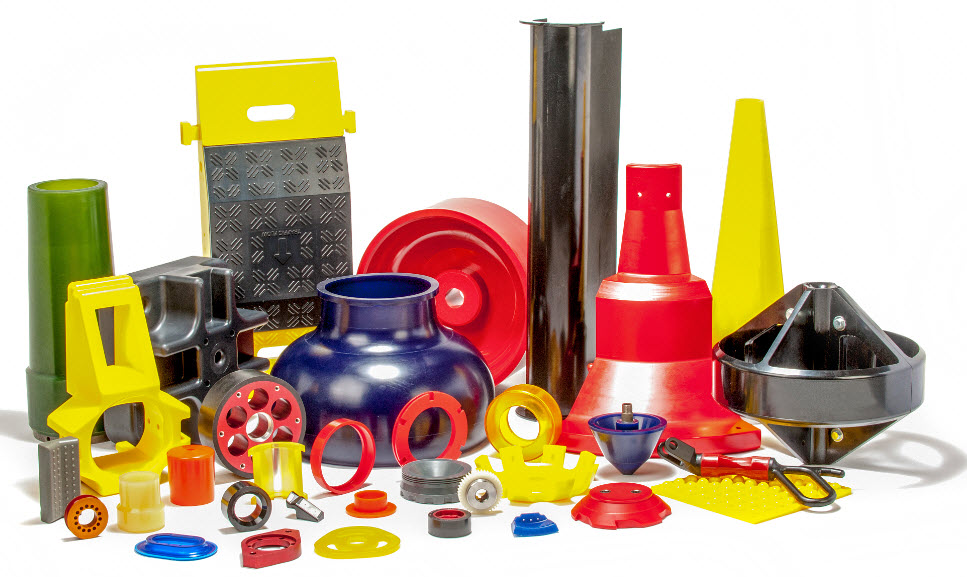
Polyurethane Molded Parts Introduction to Polyurethane Polyurethane is a type of polymer, which is a material made up of long chains of repeating molecules. It is a versatile plastic material…
Deflashing PET-P Molded Parts Introduction PET-P, also known as PET-Polyester, is a type of thermoplastic polyester resin that is commonly used in manufacturing various products, including bottles, containers, and packaging…
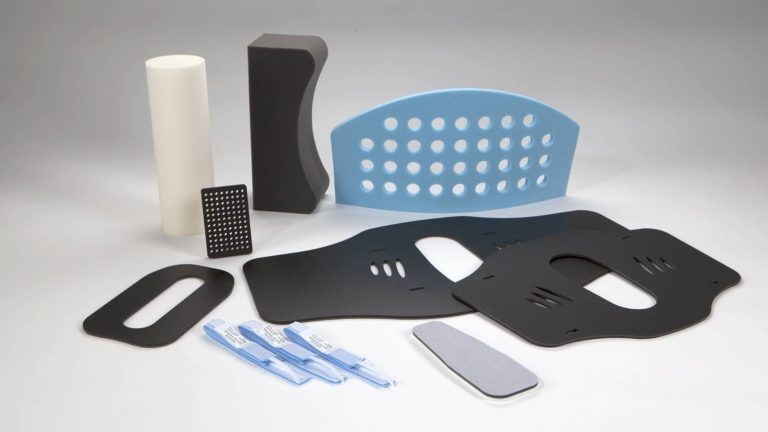
Introduction to Polycell Foam Polycell foam, also known as polyethylene foam, is a type of plastic foam that is used in a variety of applications due to its lightweight, durable,…
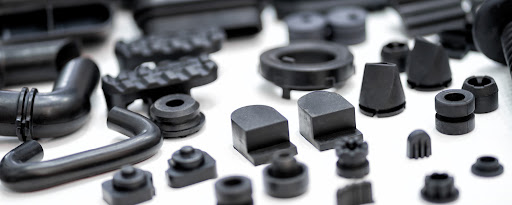
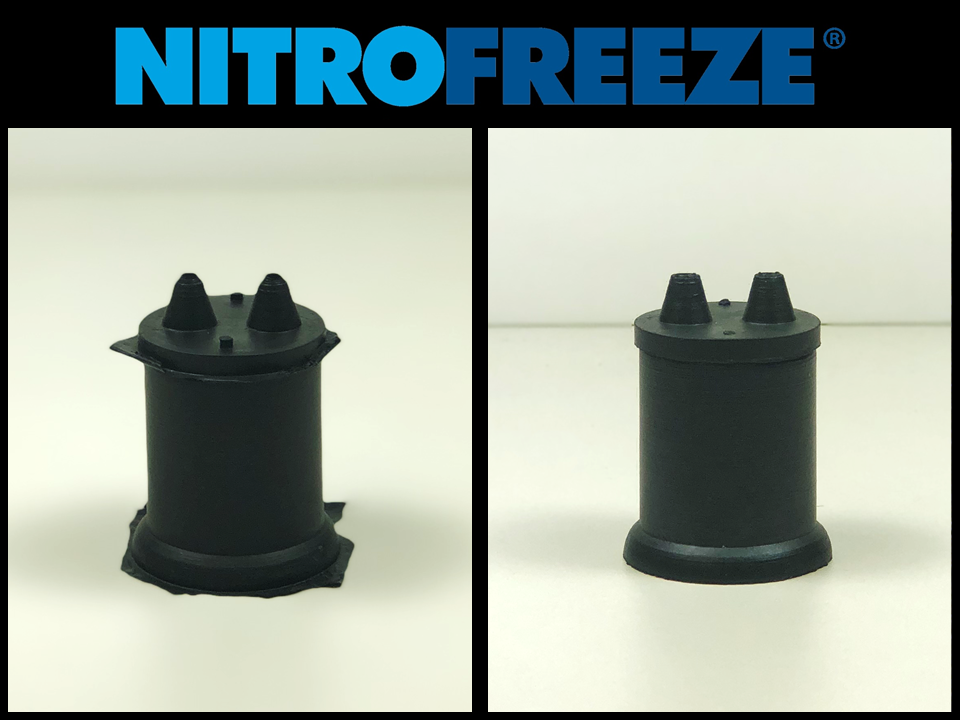
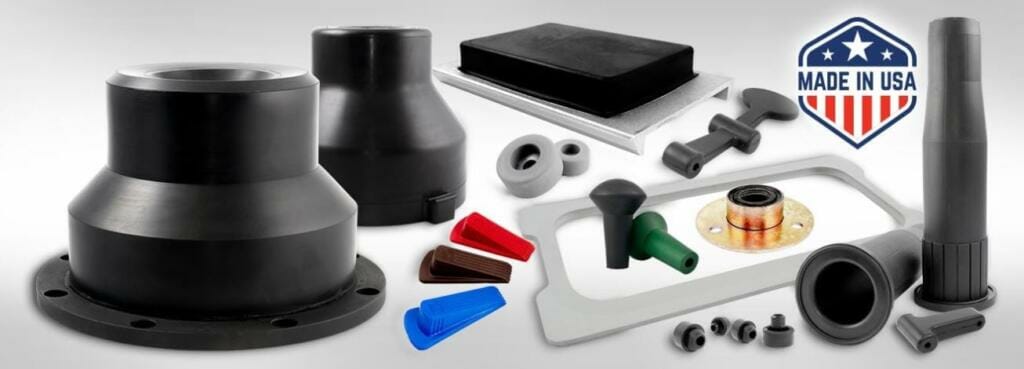
Rubber deflashing is the process of removing excess rubber known as flash from the surfaces and edges of molded parts. During rubber injection molding, flash is caused by parting line…
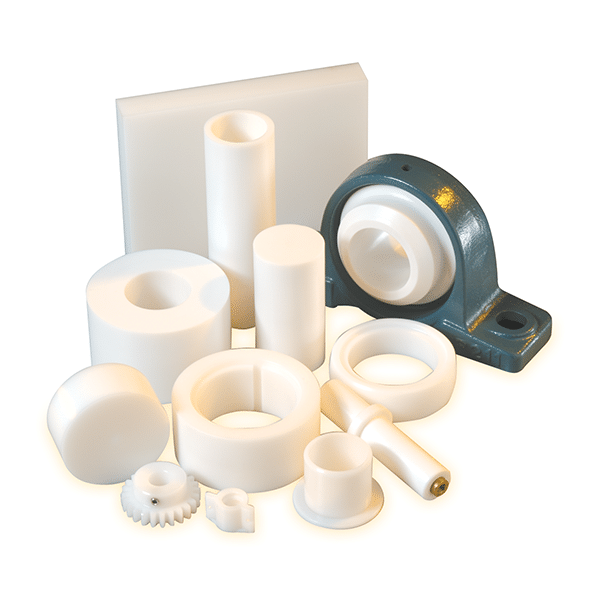
Burrs On Engineering Grade Plastics Burrs can be created during machining on engineering grade plastics. Burrs are unwanted pieces of material that can be left on the edges of…
Introduction Urethane is a synthetic material that belongs to the class of polymers known as polyurethanes. It is a versatile material that can be formulated to have a wide…
Introduction to Butyl Rubber Butyl rubber is a synthetic rubber, also known as polyisobutylene, which is produced by polymerizing isobutylene, a type of olefin. It has a very…
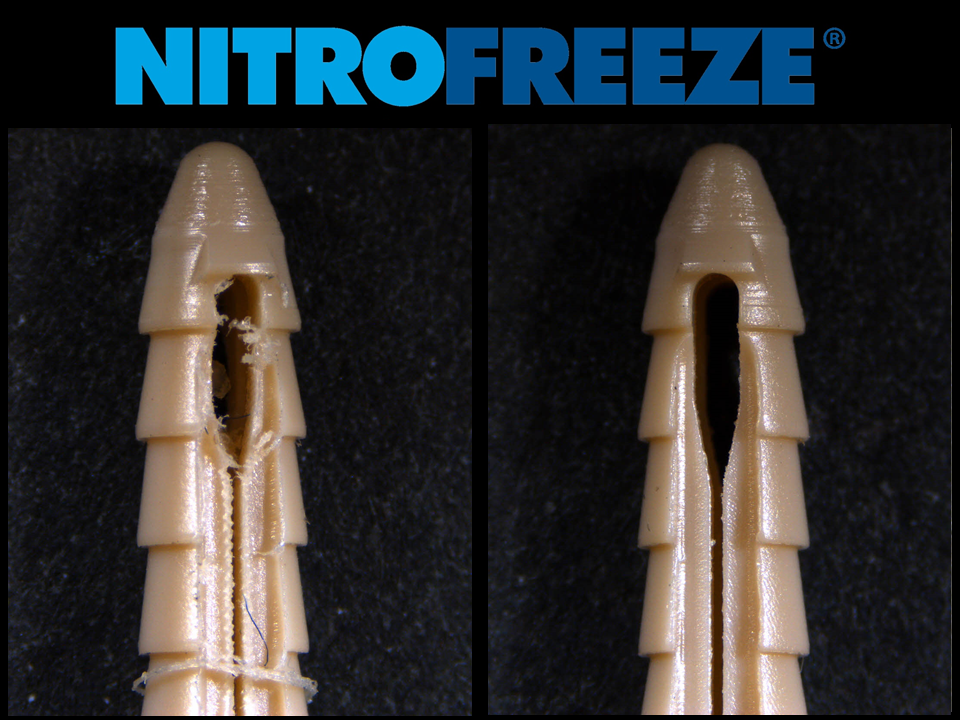
Introduction to PEEK Plastic PEEK is a type of polymer that is often used in engineering applications due to its high strength, stiffness, and resistance to heat and chemicals. PEEK…