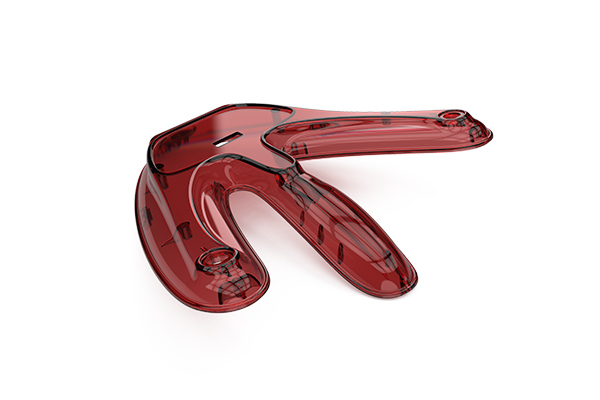
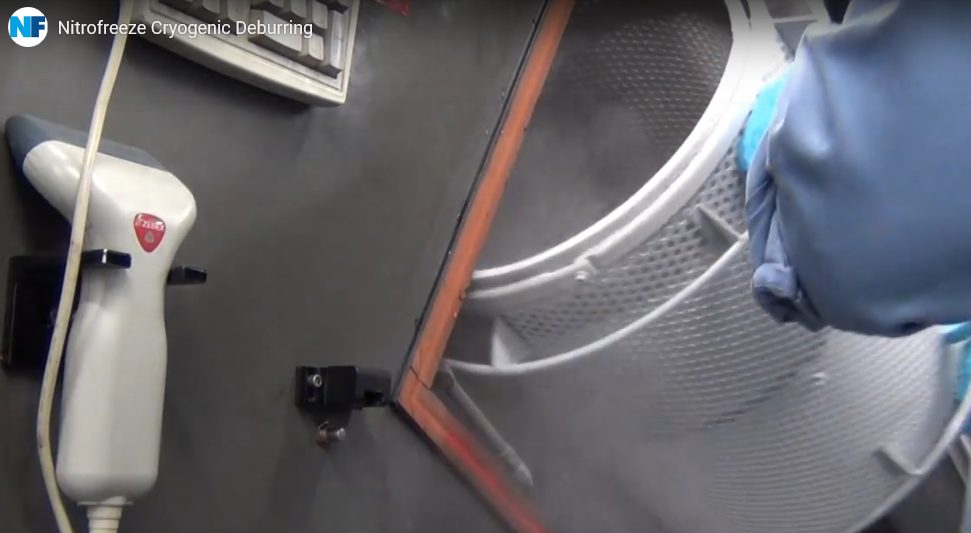
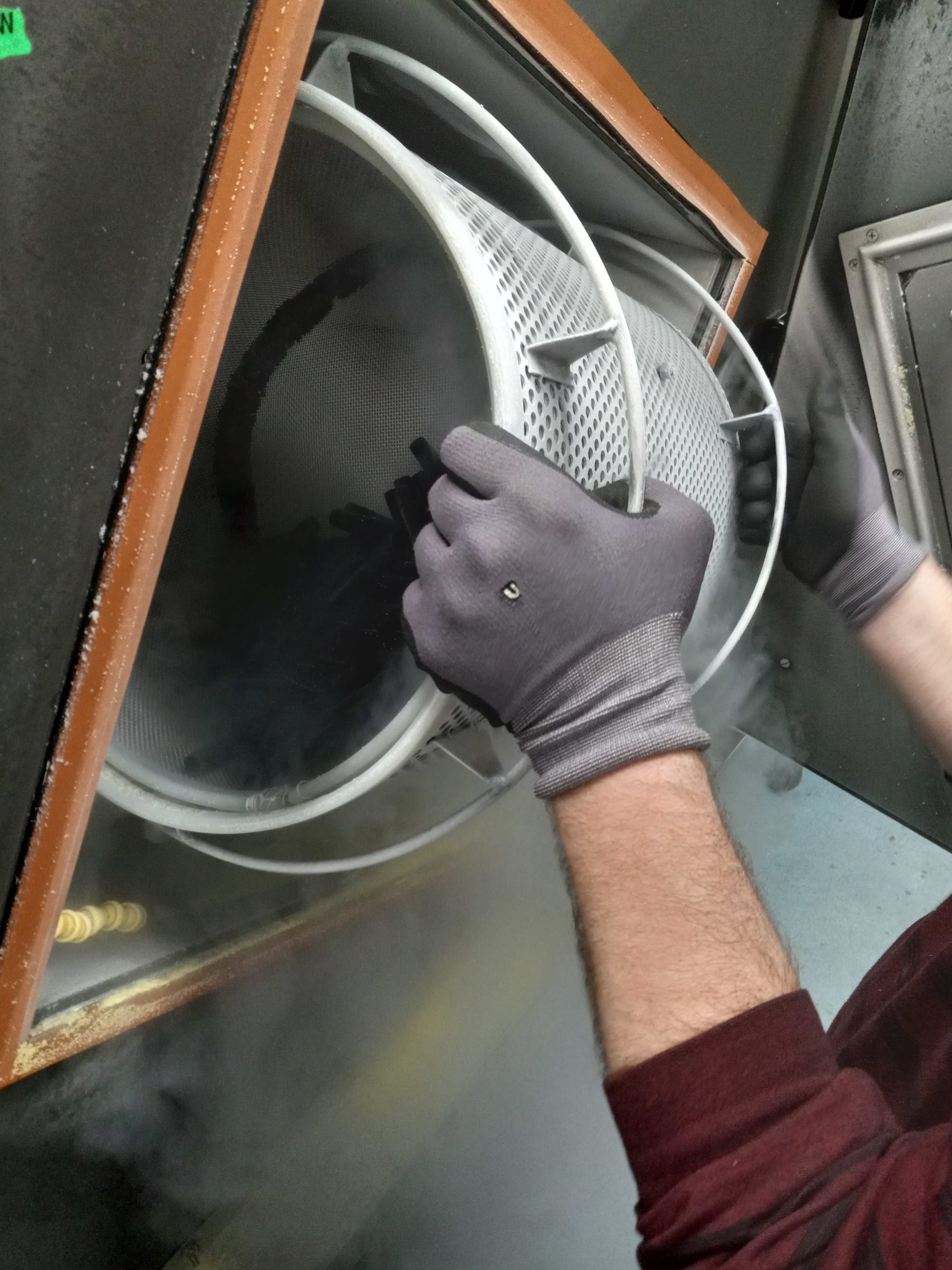
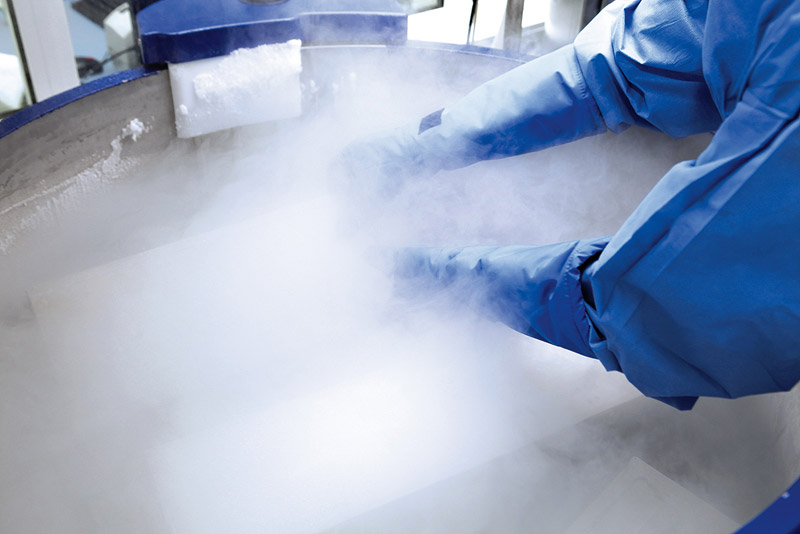
Cryogenic Deflashing for Lexan Molded Parts Introduction to Lexan Lexan is a trademarked form of polycarbonate plastic that is transparent and has both high impact resistance and heat resistance. It…
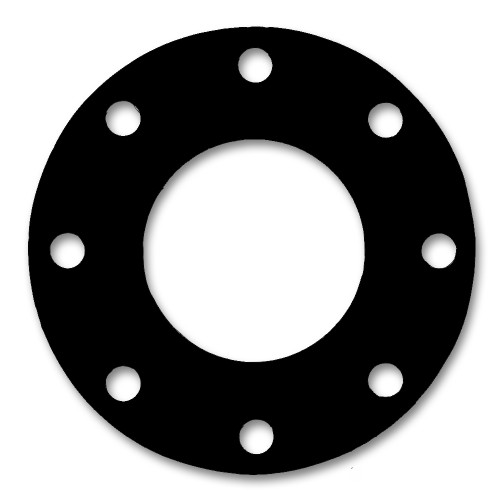
Introduction to Neoprene Neoprene is a synthetic rubber material that is resistant to heat, oils and chemicals. It is commonly used in a variety of applications including gaskets and seals.…
PET Plastic Material & Uses PET (polyethylene terephthalate) is a type of plastic that is commonly used to manufacture a wide variety of parts including bottles and containers for liquid…
The field of plastic engineering is constantly evolving, it appears that there will be many developments in the near-term future. Budgets for research and development are allowing for the development…
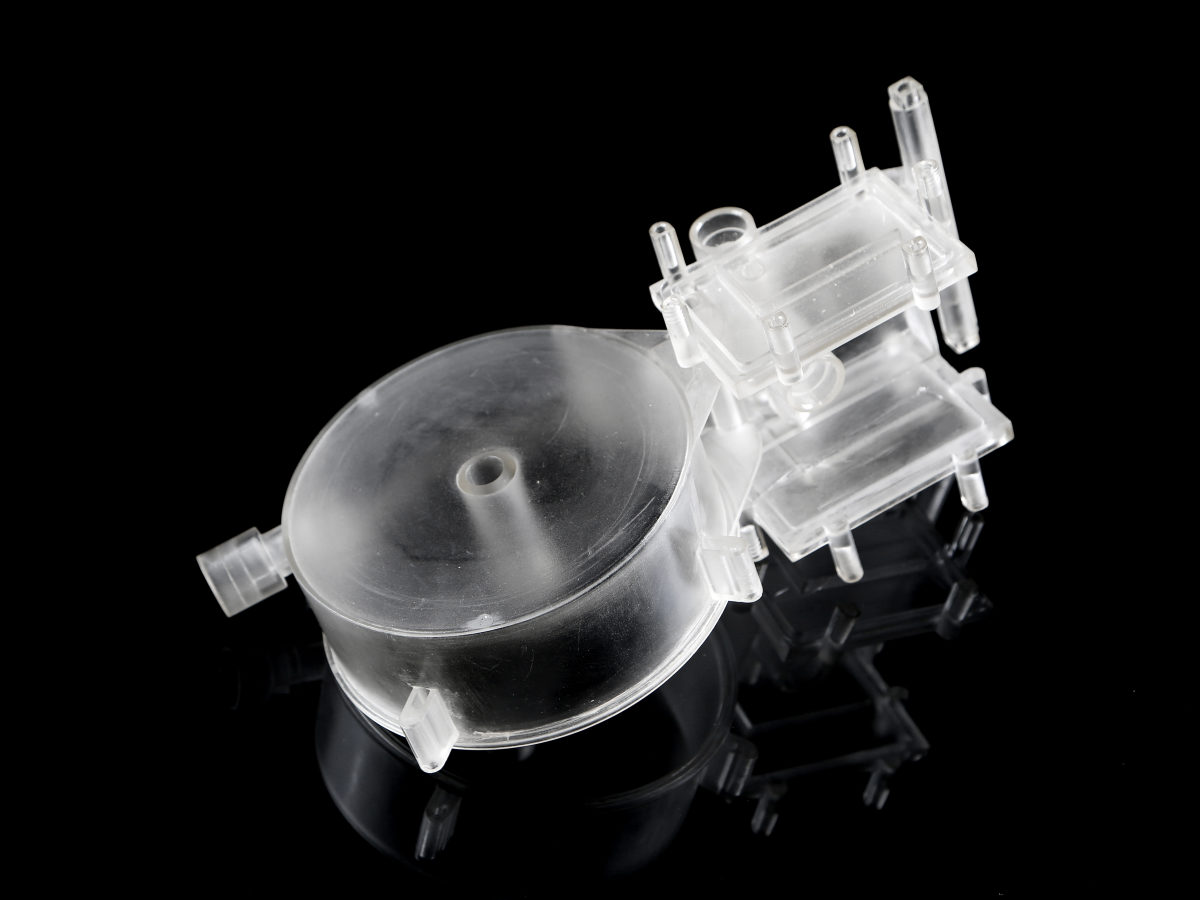
Improve Your Molded Polymer Performance Polymers, which are also known as plastics, are widely needed and used in our daily lives because of their total cost, adaptability to different shapes…
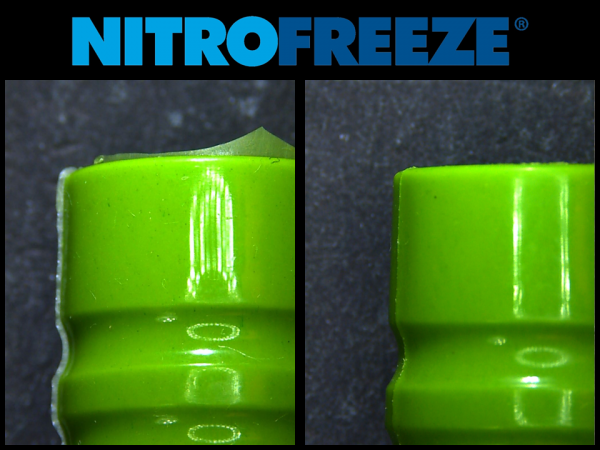
Cryogenic Deflashing Fit and function must be taken into consideration while creating high-quality plastic molded parts. Two possible outcomes of poor fit and functionality are customer discontent and higher production…
Plastic Tooling Advancements The field of plastic mold making has seen substantial advancements over the years, and the most recent technological breakthroughs have led to increased efficiency and quality in…
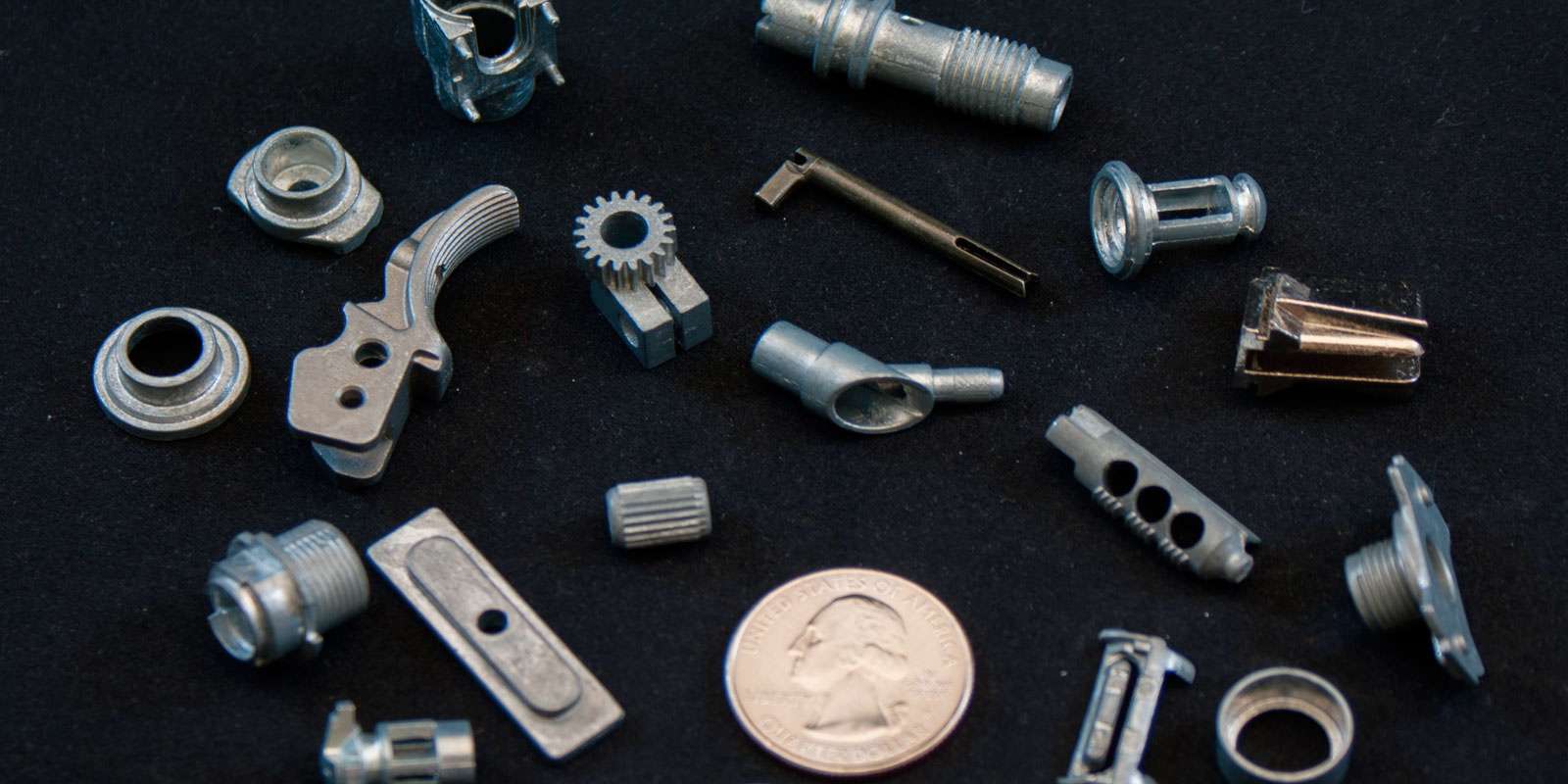
Cryogenic Deflashing for Aluminum Zinc Die Casting Introduction to Aluminum Zinc Die Casting Aluminum zinc die casting is a manufacturing process in which molten aluminum and zinc alloys are…
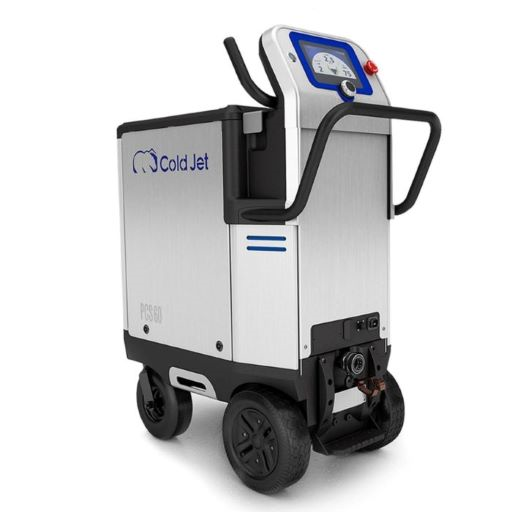
Dry Ice Blasting for Molding & Manufacturing Introduction to Dry Ice Blasting Dry ice blasting is a cleaning method that uses dry ice pellets as an abrasive material. The dry…
Cryogenic Treatment for Stress Relieving Aluminum Stresses Found in Aluminum Stresses in aluminum can be caused by various external and internal factors. Some common types of stresses that can be…