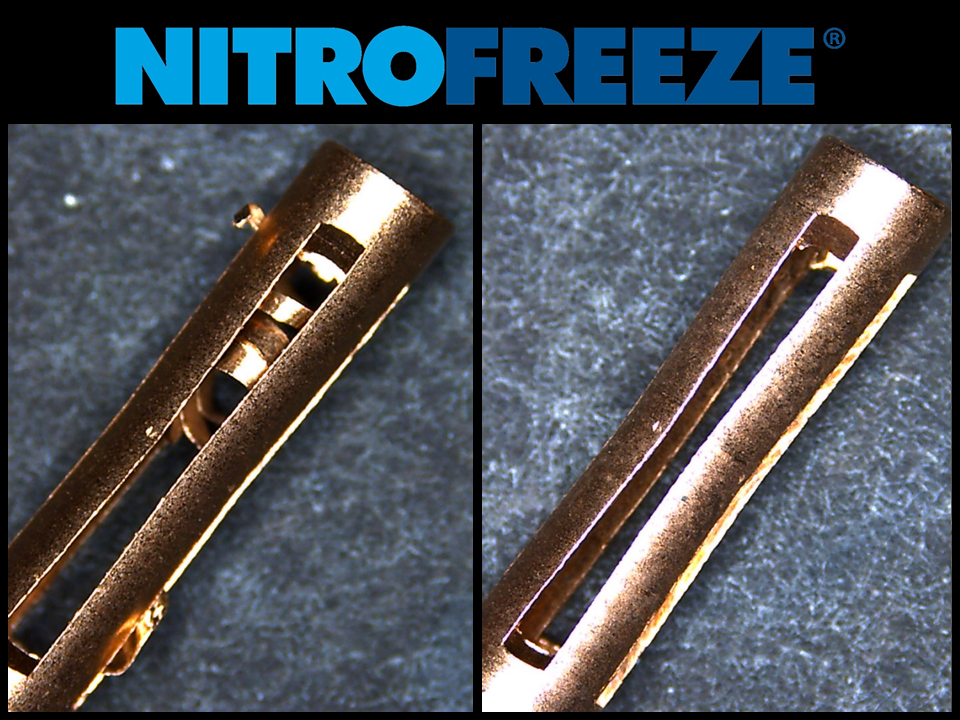
Deburring metal parts by hand is a time-consuming way to remove burrs, small protrusions that can interfere with seating, sealing, and assembly. Manual deburring uses inexpensive hand tools instead of…
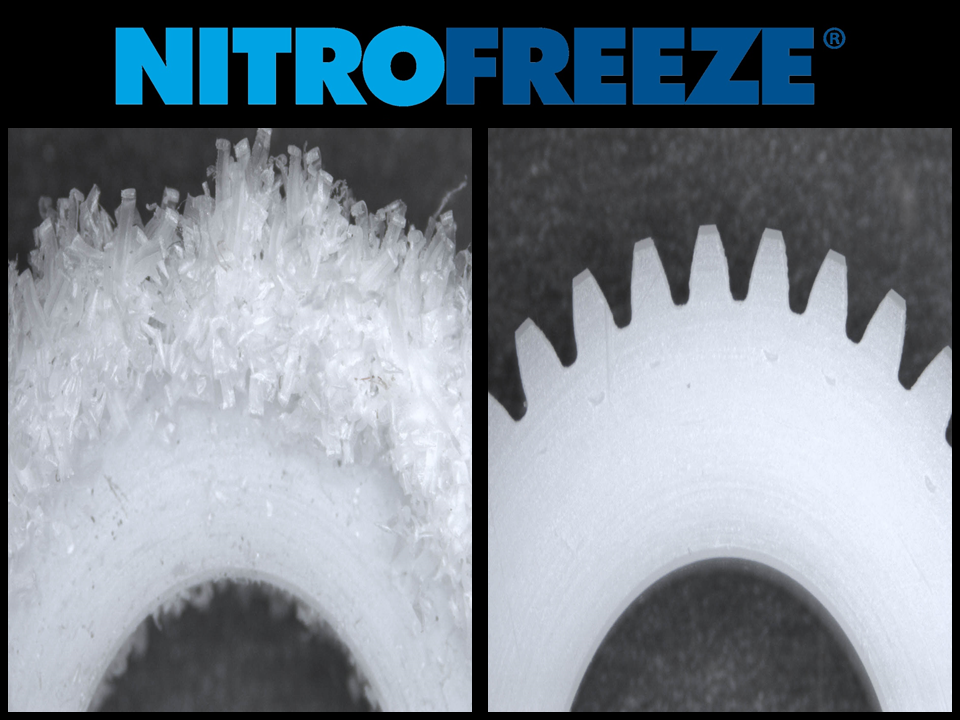
Manual deburring is a time-consuming and labor-intensive way to remove burrs from machined plastic parts. At a time when good workers are hard to find, hand deburring is also an…
Aerospace deburring for precision machined parts needs to account for the fact that these components must meet critical tolerances that are sometimes measured in thousands of an inch. These machined…
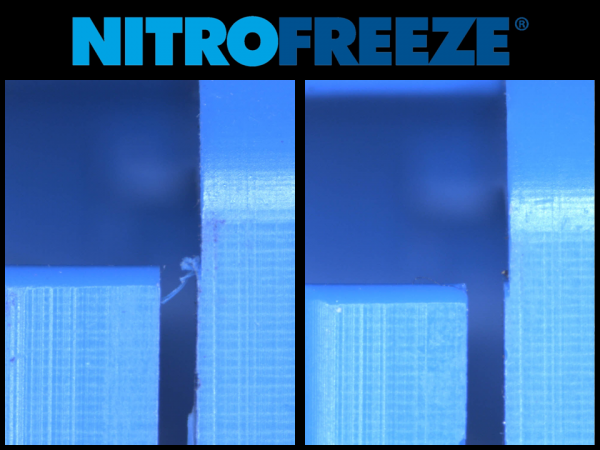
Blind holes are machined openings that do not pass through the entire workpiece. They are drilled, milled or reamed to a specific depth but without breaking through to the other…
Polysulphones (PSU) are a group of high-performance thermoplastics that provide toughness and stability at high temperatures. They are available in medical grades and can withstand repeated cleaning with disinfecting chemicals.…
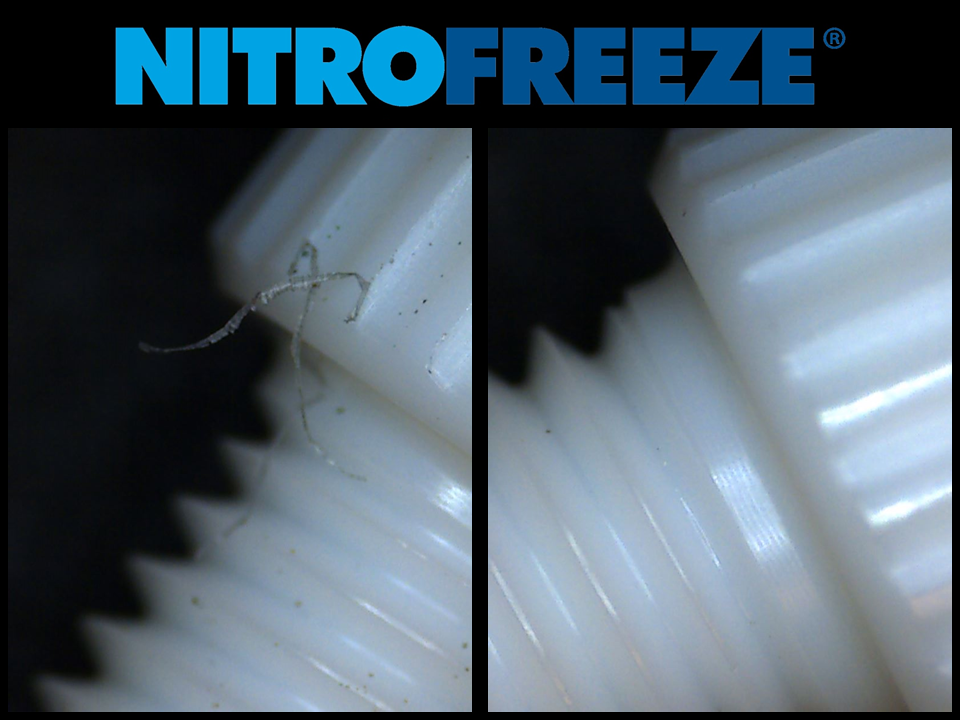
The best deburring tool for plastic parts isn't a blade, bit, trimmer, cutter or rotary tool. For plastic parts deburring, use Nitrofreeze cryogenic deburring.
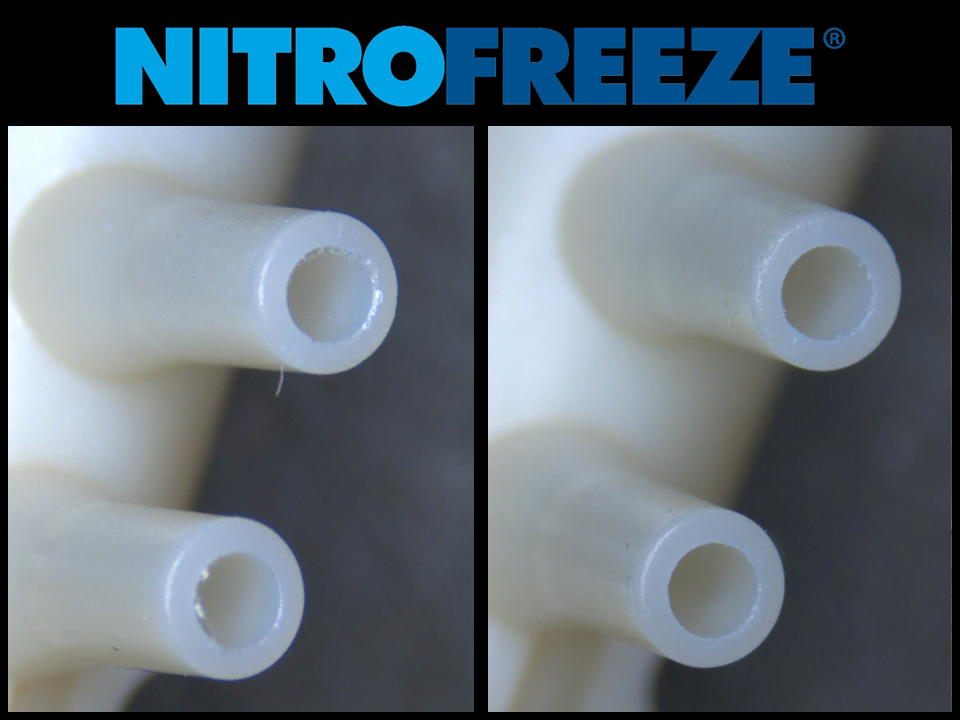
Medical deburring with Nitrofreeze® cryogenic technology safely and cleanly removes burrs from the plastic and rubber parts used with today’s medical devices and equipment.
Cryogenic deburring for nylon parts removes burrs that are left behind by machining operations such as turning, drilling, and milling. Learn more about nylon deburring from Nitrofreeze.