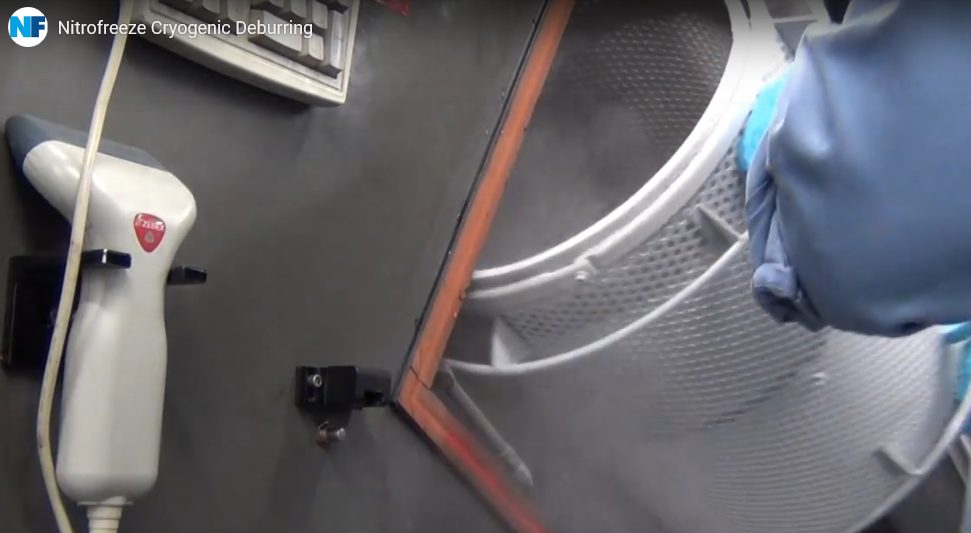
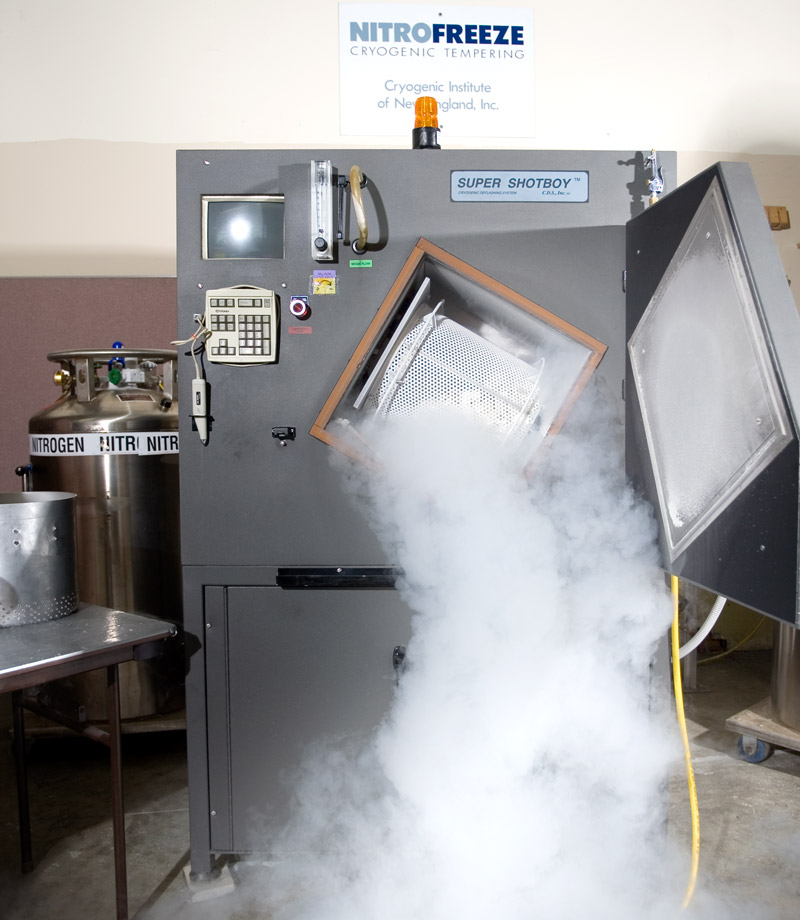
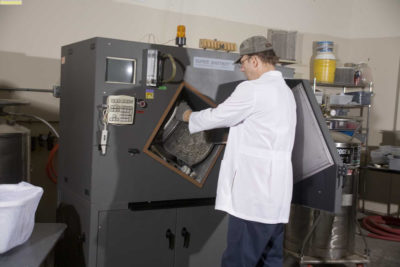
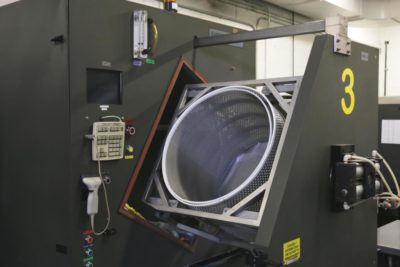
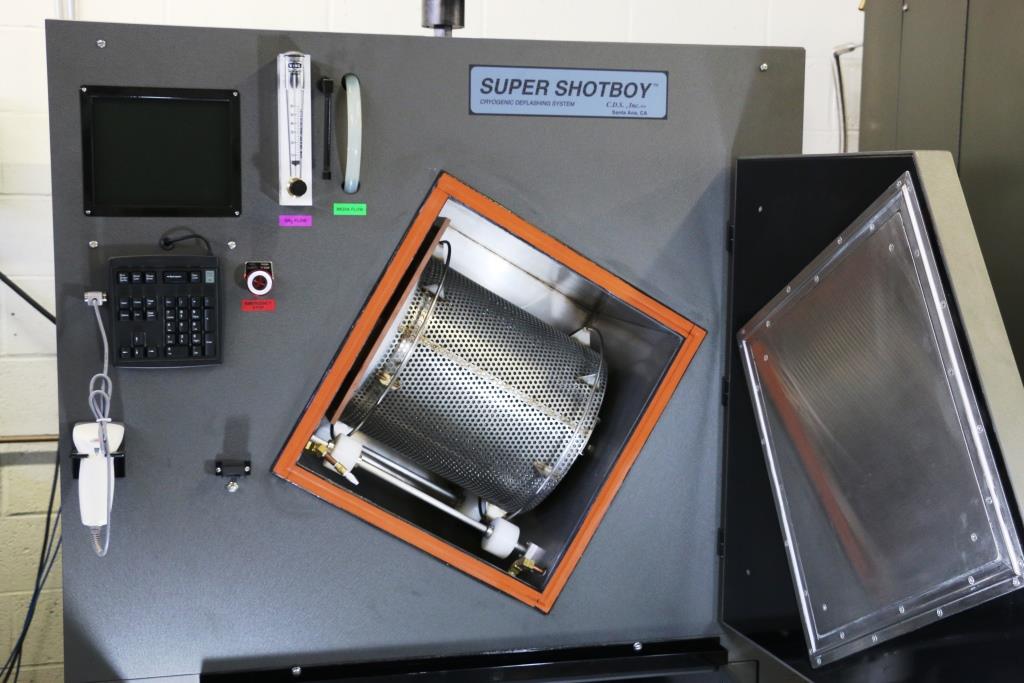
Cryogenic deburring for plastic parts uses tumbling, freezing, and a cryogenic-grade polycarbonate media to remove burrs left by machining operations. This batch process provides a cost-effective alternative to hand trimming…
The cryogenic deburring process uses very low temperatures and polycarbonate media to remove burrs from machined parts. This proven deburring method is especially effective at removing machined burrs from blind…
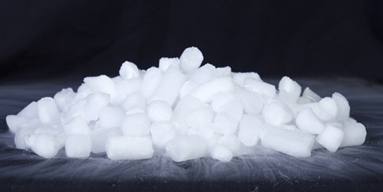
Dry ice blasting for parts finishing is a non-abrasive process that removes flash and burrs from individual molded or machined parts. Learn about its advantages, and when to use it…
The polymer polyetheretherketone, more commonly known as PEEK, is becoming increasingly popular within the medical device industry and, in particular, the implantable arena.
The medical device industry sets high standards and tight tolerances on all manufactured products. One specification, and maybe the most important, is surface finish.
Overview Cryogenic deburring and deflashing systems are versatile by design to meet the wide ranging demands of machined and molded parts. As parts vary in physical properties and geometry, a…
Overview Dry Ice Deflashing & Deburring is a CO2 blast cleaning process used in the removal of residual flash and burr material. This process employs dry ice particles accelerated by…
Nitrofreeze® cryogenic deburring provides OEM manufacturers and machine shops with a fast, efficient, and reliable way to remove burrs from machined Delrin gears. Cryogenic deburring uses tumbling, freezing, and blasting…
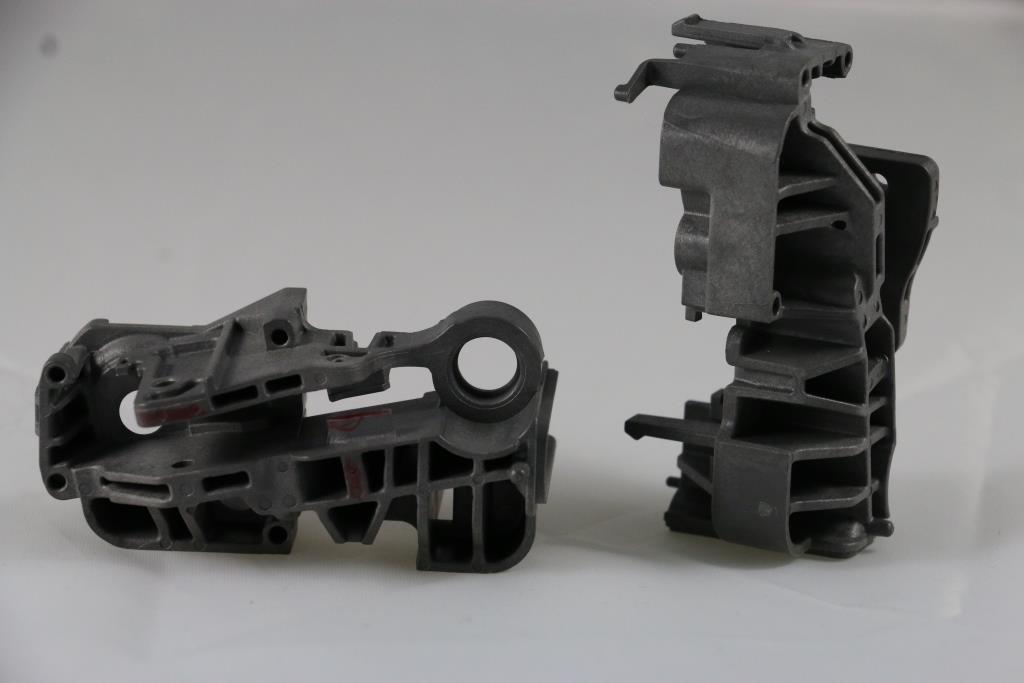
Nitrofreeze® Deflashing and Deburring process adds value while reducing costs to customers by eliminating the need for hand trimming. Highlighted below is an actual customer part that has successfully undergone the…